Da Vinci for Gynecology Patients

Understand your gynecologic surgery options

Gynecologic conditions

Gynecologic conditions can affect how you feel, how you show up for your family, and how you move through daily life. These conditions involve the uterus, ovaries, fallopian tubes, cervix, and vagina. Symptoms such as pelvic pain, heavy bleeding, fibroids, endometriosis, or prolapse are common and often treatable. When medicines or lifestyle changes aren’t enough, your doctor may discuss surgical options. Knowing your condition and the choices available can help you decide what feels right for your health and future.


Couple tying shoes

Types of surgery

Gynecologic surgery was traditionally performed through one large incision so surgeons could see and reach the area that needed treatment. This is called open surgery. While open surgery is still used when needed, many gynecologic procedures can now be performed using minimally invasive surgery, which uses smaller incisions.

Minimally invasive surgery for women includes vaginal surgery, laparoscopic surgery, and da Vinci surgery.

In vaginal surgery, the surgeon operates through an incision in the vagina. In laparoscopic surgery, the surgeon uses long, rigid instruments and a camera inserted through small incisions. The surgeon views the anatomy on a flat video monitor and moves the instruments by hand.

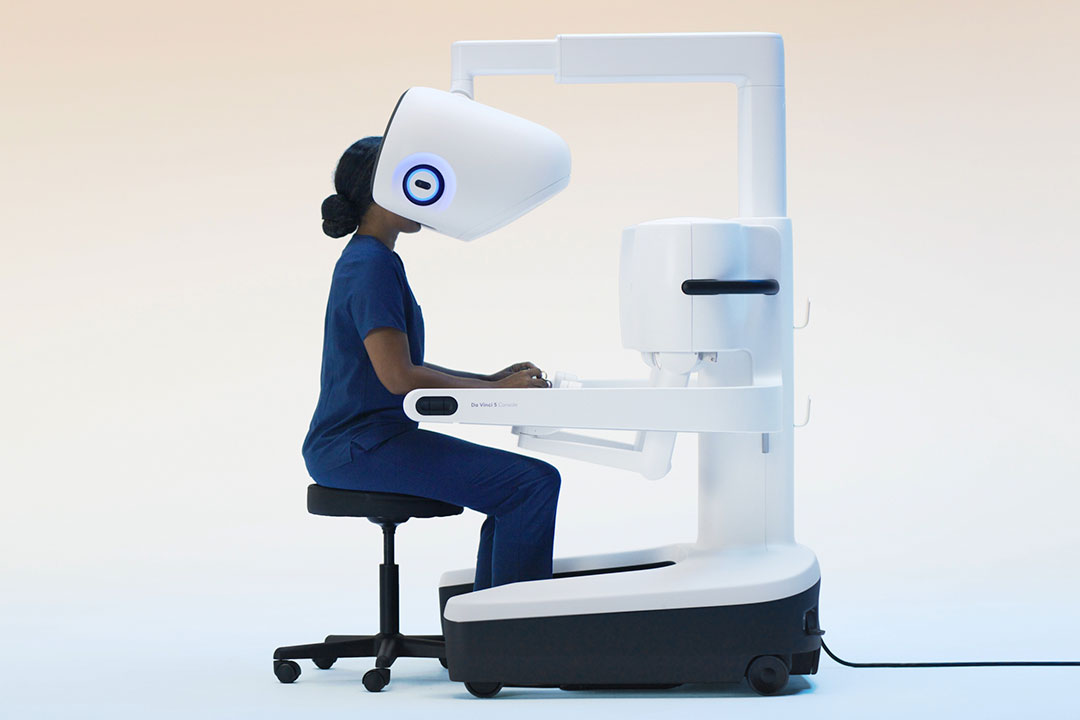
Da Vinci surgery is also performed through small incisions, but the way the surgeon interacts with the instruments is different. With the da Vinci system, the surgeon sits at a console in the operating room and uses hand controls to guide the instruments. The system translates the surgeon’s hand movements to move the instruments inside the body. The surgeon views the anatomy in magnified 3D while operating from the console.

What is a da Vinci surgical system?

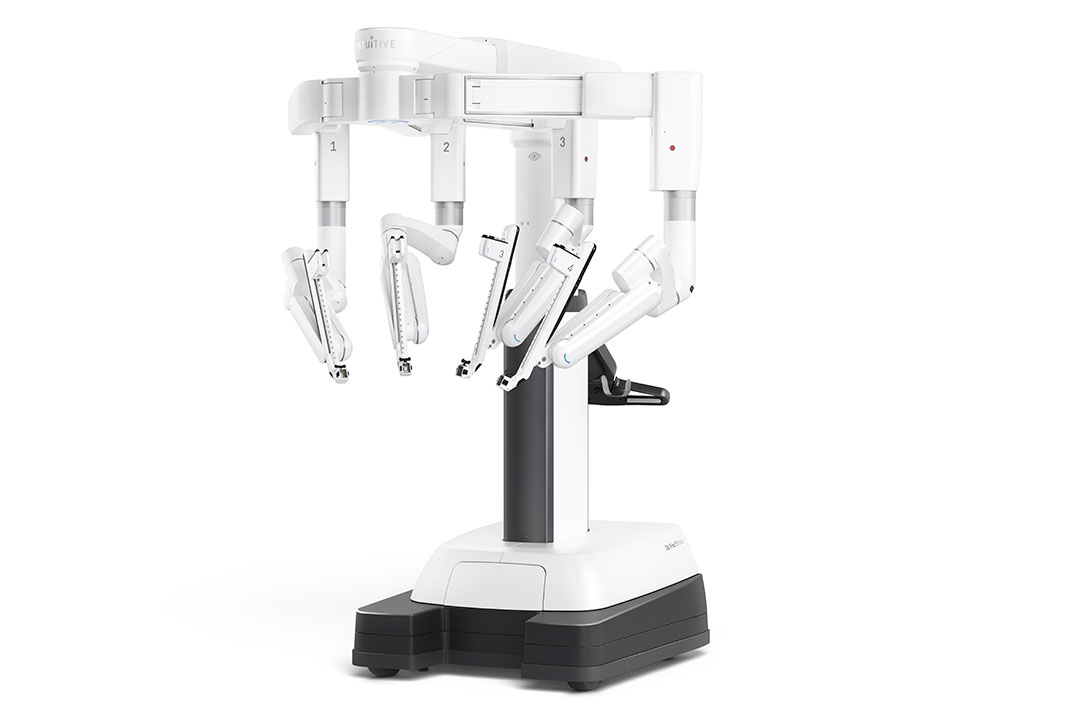
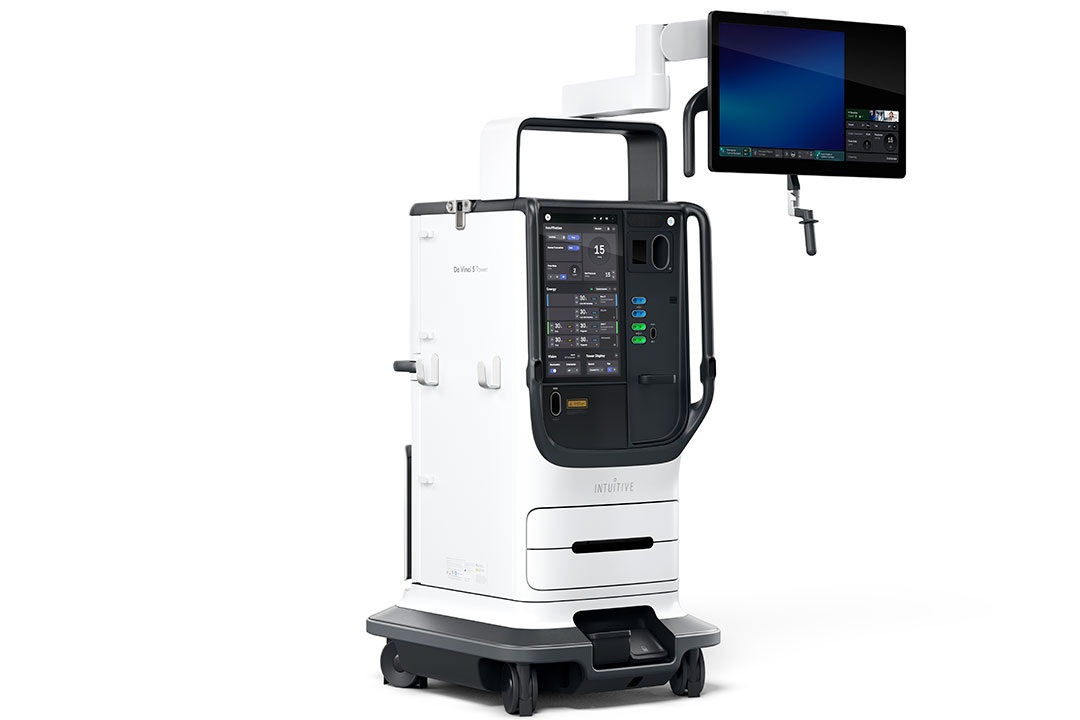
The da Vinci 5 surgical system is made up of three components: surgeon console, patient cart, and tower.
It’s important to remember that Intuitive does not provide medical advice. After discussing all options with your doctor, only you and your doctor can determine whether surgery with da Vinci technology is appropriate for your situation. You should always ask your surgeon about his or her training, experience, and patient outcomes.

Da Vinci gynecologic procedures

Talk with your doctor if you have any additional questions about these procedures.